
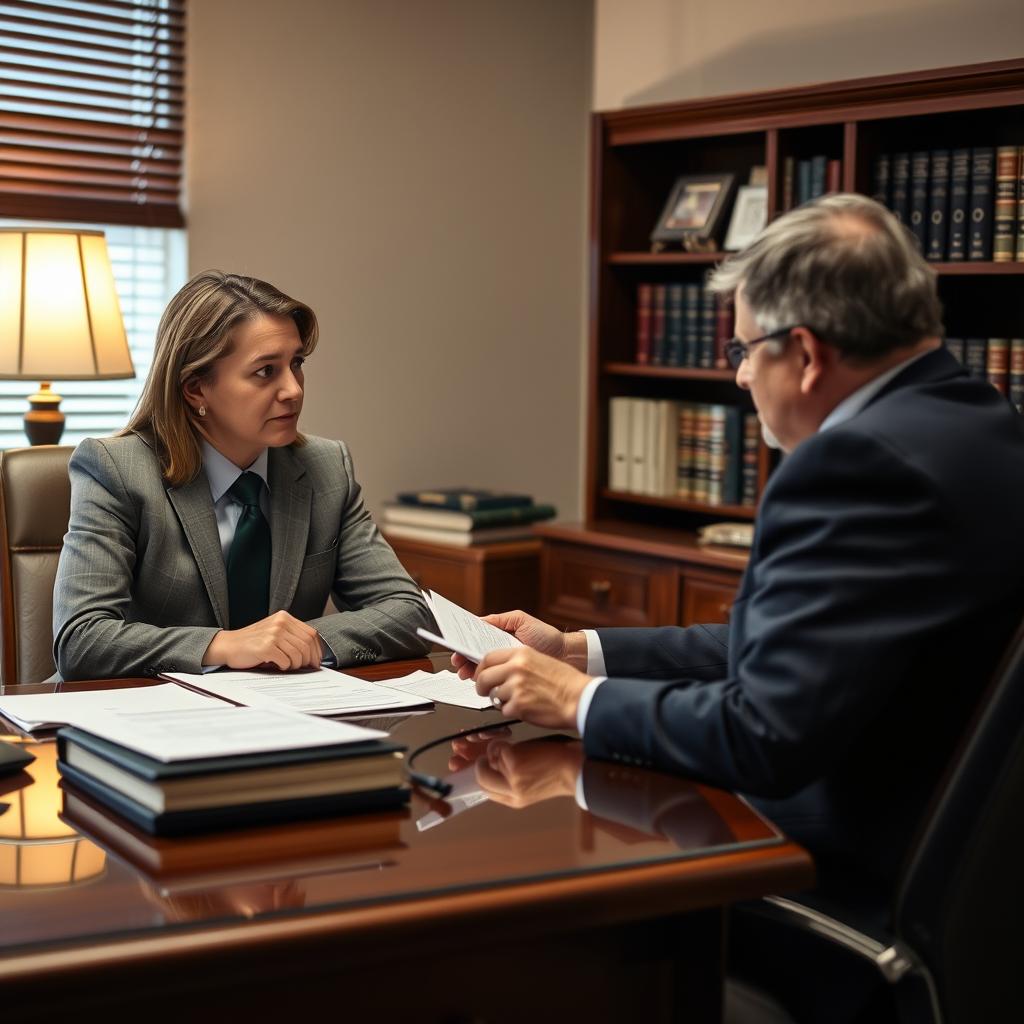
Failed to Stop for a School Bus Lawyer Fairfax County
If you or a family member suffered serious injuries when another driver failed to stop for a school bus in Fairfax County, it is important to know that the firm concentrates its practice on seeking civil compensation for injured pedestrians, bicyclists, and vehicle occupants—not on defending the cited driver. Law Offices Of SRIS, P.C., founded in 1997, assists injured people and families throughout Northern Virginia with complex motor-vehicle accident claims. Mr. Sris, Owner and Founder, works alongside the firm’s Of Counsel attorneys to investigate bus‑stop collisions, work with accident reconstruction attorneys, and pursue the resources you need for medical bills, lost income, and long‑term care. To request a consultation, reach the firm at (888) 437-7747. Law Offices Of SRIS, P.C. – Advocacy Without Borders.
What Failed‑to‑Stop‑for‑a‑School‑Bus Claims Mean in Fairfax County
Fairfax County is home to one of the largest school bus fleets in Virginia, and the county’s network of residential streets, four‑lane arterials, and school‑zone corridors creates frequent interactions among young pedestrians, stopped buses, and passing motorists. When a driver disregards a bus’s extended stop‑arm and flashing lights, the resulting collisions often involve children stepping into a crosswalk or on the shoulder. Because a school‑bus stop‑arm violation is a moving infraction under Virginia law, a police‑issued citation can support an injured person’s civil claim—even though the criminal or traffic proceeding against the driver is a separate matter.
The Virginia civil‑litigation framework allows an injured party to seek financial recovery when another’s failure to obey a traffic‑control device contributes to an accident. In a county as populous and trafficked as Fairfax, the factual investigation typically turns on whether the bus’s lights were activated, the stop‑arm deployed, and whether the at‑fault driver had a reasonable opportunity to stop. Mr. Sris and the firm’s Of Counsel attorneys evaluate these factors by collecting 911‑call logs, bus‑camera footage, witness statements, and data from the responding officer’s report. While every case is different, a thorough understanding of both the Virginia traffic code and the procedural landscape of the Fairfax County Circuit Court allows the firm to build a record that supports the claim’s value. The court’s docket‑management practices and the availability of pretrial‑motion practice can shape the timeline, which is why injured parties benefit from legal guidance early in the process.
How Mr. Sris and the Firm’s Of Counsel Attorneys Handle School‑Bus‑Stop Collision Cases
When the firm takes on a bus‑stop injury matter, the first phase focuses on preserving evidence. That includes sending a spoliation‑letter to the bus‑fleet operator requesting the bus’s onboard video and telemetry records, obtaining the Fairfax County Police Department crash report, and gathering medical records that document the injuries within hours or days of impact. Mr. Sris and the firm’s Of Counsel attorneys also locate and interview any parent, driver, or bystander who observed the incident while the details remain fresh.
The firm then reviews the applicable insurance policies—the at‑fault driver’s bodily‑injury liability coverage, the school district’s fleet policy if the bus itself was partially at fault, and any underinsured‑motorist coverage available under the injured person’s own policy. Because Virginia allows an injured party to seek recovery from multiple liable sources, identifying every available layer of coverage is an important step. If a reasonable settlement cannot be reached with the insurance carriers, the firm is prepared to file a Complaint in the Fairfax County Circuit Court and proceed through discovery, experienced attorney‑witness depositions, and trial as the case requires. The firm does not attempt to predict exact outcomes or timelines; the work is determined by the medical and factual evidence on each individual file.
About Mr. Sris and the Firm’s Of Counsel Attorneys
Mr. Sris, Owner and Founder of Law Offices Of SRIS, P.C., is admitted in Virginia, Maryland, the District of Columbia, New Jersey, and New York. Before establishing the firm in 1997, he served as a former prosecutor—experience that informs his approach to evaluating motor‑vehicle‑collision claims that involve traffic‑infraction allegations. Mr. Sris testified before the Virginia House Courts of Justice Committee in support of 2019 HB 635 (chief patron Del. David Bulova).
The firm’s Of Counsel attorneys bring extensive combined legal experience in personal‑injury litigation, insurance‑law analysis, and the procedural requirements of Virginia state courts. Collectively, the firm’s attorneys work with accident reconstruction attorneys and life‑care‑planning attorney to present the full scope of a client’s past and future needs. While no attorney can promise a particular result, the firm’s legal team is prepared to investigate each bus‑stop‑collision case with the attention it deserves.
Frequently Asked Questions
If the school‑bus driver signals for the stop but the stop‑arm hasn’t fully extended, is the driver still required to stop?
Under Virginia law, alternately flashing red lights signal that a bus is about to stop or has stopped, and motorists must stop and remain stopped until the bus resumes motion. The legal obligation to stop arises once the red lights are activated—a fully deployed stop‑arm is additional confirmation but the lighting sequence itself triggers the duty. In a civil claim, the presence of activated lights, captured on bus‑camera footage or corroborated by witnesses, is the evidence that often carries weight.
Does it matter if the child was crossing outside a marked crosswalk?
A driver who passes a stopped school bus with activated signals must use the highest degree of care; the presence or absence of a marked crosswalk does not eliminate the duty to stop. Virginia courts consider that school‑bus‑stop laws are designed to protect children who may need to cross at unmarked locations. In a civil claim, the child’s location relative to the bus and the roadway is factually relevant, but the driver’s failure to stop generally remains the central issue. The firm evaluates each accident’s specific layout—whether the child was on the roadside, in a residential driveway, or stepping onto the pavement—to understand how the responding police report and available video evidence may frame liability.
Can I bring a civil claim even if the at‑fault driver was not charged by the police?
Yes, a civil claim is separate from any traffic citation or criminal charge; the absence of a citation does not automatically defeat a claim for damages. In Virginia, a civil case rests on the preponderance‑of‑the‑evidence standard, not the beyond‑a‑reasonable‑doubt standard that governs traffic‑infraction proceedings. The firm can pursue an investigation through its own channels—interviewing witnesses, securing bus‑camera data, and retaining an accident‑reconstruction experienced attorney—regardless of whether the police issued a summons. For guidance on your specific situation, reach Law Offices Of SRIS, P.C. at (888) 437-7747.
How does the firm investigate a school‑bus‑stop collision?
The firm begins by preserving evidence: obtaining the Fairfax County Police Department report, sending a preservation letter to the school‑bus fleet operator, and gathering medical records that document the injury. The firm’s Of Counsel attorneys also canvass for residential‑security or doorbell‑camera footage that may have captured the bus’s lights or the driver’s path. When needed, the firm retains an accident‑reconstruction experienced attorney to analyze speed, sightlines, and braking opportunities. The firm then reviews all applicable insurance policies, communicates with the insurers, and discusses with the client whether a negotiated resolution or litigation provides the most appropriate path forward under the specific facts of the case.
What damages can I seek in a Fairfax County school‑bus‑stop injury case?
An injured person may seek compensation for past and future medical expenses, lost wages, pain and suffering, and, in the case of a child, the cost of future care and any permanent impairment. Virginia allows recovery for both economic and non‑economic harm. The firm works with treating physicians and, where appropriate, life‑care‑planning professionals to estimate the likely long‑term financial needs. Because each case is fact‑specific, the value of a claim depends on the severity of the injury, the clarity of liability evidence, and the insurance coverage available—factors the firm discusses frankly with every client. Results may vary.
Why should I involve a firm with Virginia trial experience instead of waiting for the insurance company’s offer?
An insurer’s initial offer often arrives before the full scope of an injury is known, and a firm with Virginia courtroom experience can evaluate whether the offer adequately compensates for future needs. The firm’s lawyers regularly appear in Fairfax County Circuit Court and understand the evidentiary demands and jury‑evaluation standards that a case must meet. If a settlement discussion stalls, the firm is prepared to issue a Complaint and take the case forward. To discuss the details of your matter, contact Law Offices Of SRIS, P.C. at (888) 437-7747.
Fairfax County personal‑injury practice | Virginia motor‑vehicle‑accident lawyer | Fairfax car‑accident claims
Virginia Code Title 46.2, Chapter 8 (Traffic Regulation) | Fairfax County Circuit Court | FairFax County Police Department
Attorney advertising. Prior results do not guarantee a similar outcome. Case results depend on a variety of factors unique to each case. Results may vary.