
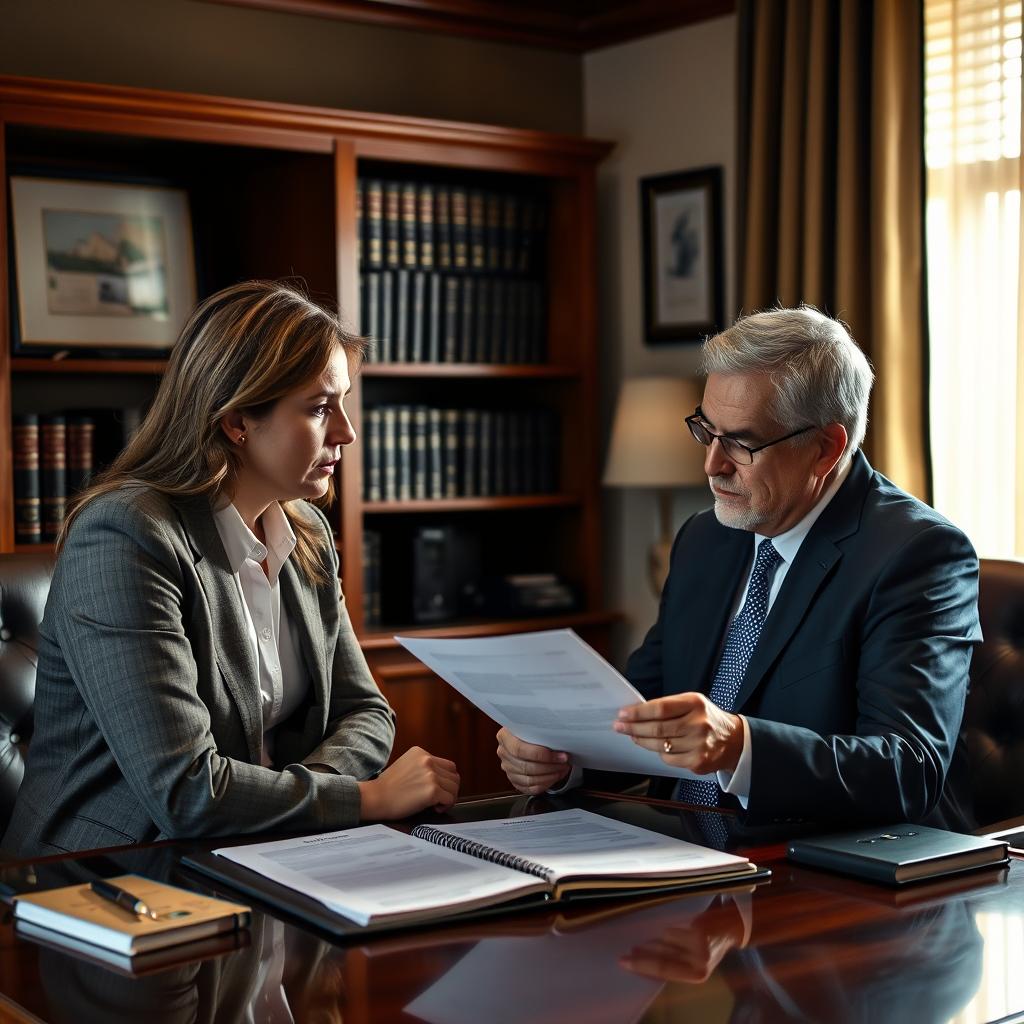
License Suspension Lawyer Baltimore, MD
A suspended driver’s license in Baltimore, Maryland is a serious disruption to daily life—preventing you from commuting to work, transporting family, and meeting essential obligations. The Maryland Motor Vehicle Administration (MVA) imposes license suspensions through its point system and for specific traffic convictions, including driving while suspended, DUI, and certain moving violations. Accumulating 8 points on your driving record triggers an MVA hearing; reaching 12 points results in revocation. Facing a suspension means navigating two separate processes: the underlying traffic citation heard at the District Court of Maryland for Baltimore City, located at 5800 Wabash Avenue, and the administrative hearing before an MVA administrative judge. An experienced Baltimore license suspension lawyer can challenge the basis for the suspension, negotiate with the prosecutor for a reduced charge or probation before judgment, and represent you at the MVA hearing. Reach Law Offices Of SRIS, P.C. at (888) 437-7747 to request a consultation about your license suspension matter. Law Offices Of SRIS, P.C. – Advocacy Without Borders.
What License Suspension Means in Baltimore, Maryland
Baltimore’s traffic enforcement environment is unique. The city’s dense urban layout, heavy commuter traffic on I-95, I-695, and I-83, and numerous speed and red-light cameras generate a high volume of citations. The District Court of Maryland for Baltimore City handles all traffic cases arising within the independent city, and its decisions can trigger MVA action. When you are convicted of a moving violation, the court reports the conviction to the MVA, which then assesses points according to a statutory schedule. For example, speeding 10-19 miles per hour over the limit adds 1 point; speeding 20-29 over adds 2 points; and reckless driving adds 6 points. Once you accumulate 8 points, the MVA schedules an administrative hearing to determine whether your license should be suspended; 12 points means mandatory revocation. Speed camera and red-light camera citations in Baltimore are civil infractions and carry no points, but they still result in fines.
Beyond the point system, certain offenses trigger a mandatory suspension independent of point totals. A DUI conviction results in a 6-month suspension for a first offense, and driving on a suspended or revoked license carries additional suspension time and potential jail time. Maryland also imposes suspensions for refusing a breath test under the implied consent law. The key procedural distinction in Baltimore is that a driver facing both a court date for the underlying ticket and an MVA hearing must address each proceeding strategically. A skilled traffic attorney can often work to keep points off your record entirely by securing a probation before judgment (PBJ) disposition. PBJ avoids point assessment and can be the most important outcome for anyone concerned about license suspension, though it may not be available for every offense. The court at 5800 Wabash Avenue is where these issues are litigated, and familiarity with local prosecutors and administrative practices can be invaluable.
How Mr. Sris and His Of Counsel Handle License Suspension Cases
Mr. Sris and his Of Counsel begin by examining the traffic stop and the evidence supporting the citation. They review the police report, dashcam or body camera footage, and any field sobriety or speed measurement data to identify procedural weaknesses. If the traffic stop lacked reasonable suspicion or the officer failed to follow proper testing protocols, the charge may be challenged or dismissed. In Baltimore’s District Court, the State’s Attorney’s Office handles traffic prosecutions, and Mr. Sris and his Of Counsel work to negotiate with prosecutors for a reduction to a lesser offense that carries fewer points or no points. For many moving violations, the goal is to secure a Probation Before Judgment, which permits the court to place the defendant on probation and, upon successful completion, dismiss the charge without a conviction or points.
In cases where a license suspension is already in effect, the team represents clients at MVA administrative hearings. These hearings are separate from the criminal or traffic court case and follow their own procedural rules. Mr. Sris and his Of Counsel present evidence to the administrative judge showing why the suspension should not be imposed or should be lifted. They argue mitigating factors, demonstrate compliance with any required treatment programs, and outline a plan for safe driving going forward. If a suspension stems from an out-of-state conviction, the team addresses interstate compact issues that can affect a Maryland license. Throughout the process, Mr. Sris and his Of Counsel keep the client informed of the timeline, the hearing requirements, and the prospects for keeping a license valid.
About Mr. Sris and His Of Counsel Team
Mr. Sris, Owner and Founder of Law Offices Of SRIS, P.C., is a former prosecutor who has practiced since 1997. He is admitted in Virginia, Maryland, the District of Columbia, New Jersey, and New York, and brings a multi-jurisdictional perspective to traffic defense. Mr. Sris testified before the Virginia House Courts of Justice Committee in support of 2019 HB 635 (chief patron Del. David Bulova), demonstrating his commitment to improving statutory frameworks affecting drivers.
Mr. Sris and his Of Counsel team bring extensive combined legal experience to Baltimore license suspension matters. Their Of Counsel include former prosecutors with intimate knowledge of how the state builds its traffic cases, and they leverage that insight to anticipate prosecution strategies and develop thorough defenses. Mr. Sris and his Of Counsel have documented case results in traffic matters across Maryland, including in Baltimore City District Court. Results may vary.
Frequently Asked Questions
How many points until I lose my license in Baltimore, Maryland?
In Maryland, accumulating 8 points triggers an MVA hearing, and 12 points results in revocation. The District Court of Maryland for Baltimore City reports traffic convictions to the MVA, which then assesses points. Speed camera tickets, which are civil infractions, carry no points. Probation Before Judgment (PBJ) for traffic offenses avoids point assessment entirely. Cases are heard at the courthouse at 5800 Wabash Avenue, Baltimore, MD 21215. For guidance on your specific situation, reach Law Offices Of SRIS, P.C. at (888) 437-7747.
What should I do if I receive a traffic citation that could lead to suspension in Baltimore?
Contact a traffic attorney promptly to review the citation and your driving record before your court date. Do not ignore the ticket; failing to appear can result in a default judgment and additional points. Gather any evidence from the stop, such as your copy of the ticket and photographs of the location. Mr. Sris and his Of Counsel can represent you in Baltimore City District Court to negotiate with the prosecutor, defend the charge, or seek a PBJ. To discuss the details of your matter, contact Law Offices Of SRIS, P.C. at (888) 437-7747.
Can I get a probation before judgment (PBJ) for a traffic offense in Baltimore?
Yes, many traffic offenses in Baltimore are eligible for Probation Before Judgment, which avoids points and a conviction on your record. The judge places you on probation for a period; if you comply with the terms, the charge is dismissed. PBJ is not available for some serious offenses, such as DUI. The prosecutor and the court must agree, and an experienced attorney can advocate for this outcome. Mr. Sris and his Of Counsel are familiar with the practices of the District Court of Maryland for Baltimore City and can present a strong case for PBJ. For a consultation, reach Mr. Sris and his Of Counsel at (888) 437-7747.
What triggers an MVA administrative hearing in Maryland?
An MVA hearing is triggered by accumulating 8 points on your driving record, or for certain serious offenses like DUI or breath test refusal. The MVA sends a notice of suspension and sets a hearing date. At the hearing, you may challenge the suspension by presenting evidence that the point accumulation was erroneous, that the underlying conviction should not stand, or that you need a restricted license for work or other essential purposes. Mr. Sris and his Of Counsel appear at MVA hearings and can guide you through the process. For guidance on your specific situation, reach Law Offices Of SRIS, P.C. at (888) 437-7747.
Do I need a lawyer for a license suspension case in Baltimore?
While you are not required to have a lawyer, representing yourself can be risky because the MVA rules and court procedures are complex and the stakes include your driving privileges and insurance rates. An attorney can identify defenses, negotiate for a reduced charge, and handle the MVA hearing. Mr. Sris and his Of Counsel bring extensive experience in Baltimore traffic courts and MVA proceedings. To discuss the details of your matter, contact Law Offices Of SRIS, P.C. at (888) 437-7747.
What is the difference between a District Court case and an MVA hearing?
The District Court case in Baltimore determines guilt or innocence for the traffic citation, while the MVA hearing is an administrative proceeding deciding license sanctions based on the driving record, independently of the court case. Even if you are acquitted in court, the MVA may still suspend your license based on point accumulation from other convictions. Conversely, a PBJ in court may prevent points from being assessed, which can avert the MVA hearing. Mr. Sris and his Of Counsel handle both forums to protect your driving privileges. For a consultation, reach Mr. Sris and his Of Counsel at (888) 437-7747.
For additional resources on traffic defense in other Maryland counties, visit our pages on Montgomery County traffic lawyer, Prince George’s County traffic lawyer, and Howard County traffic lawyer.
Official Maryland resources: District Court of Maryland for Baltimore City | Maryland Motor Vehicle Administration | Maryland General Assembly (statutes)
Attorney advertising. Prior results do not guarantee a similar outcome. Results may vary.
Case results depend on a variety of factors unique to each case.