
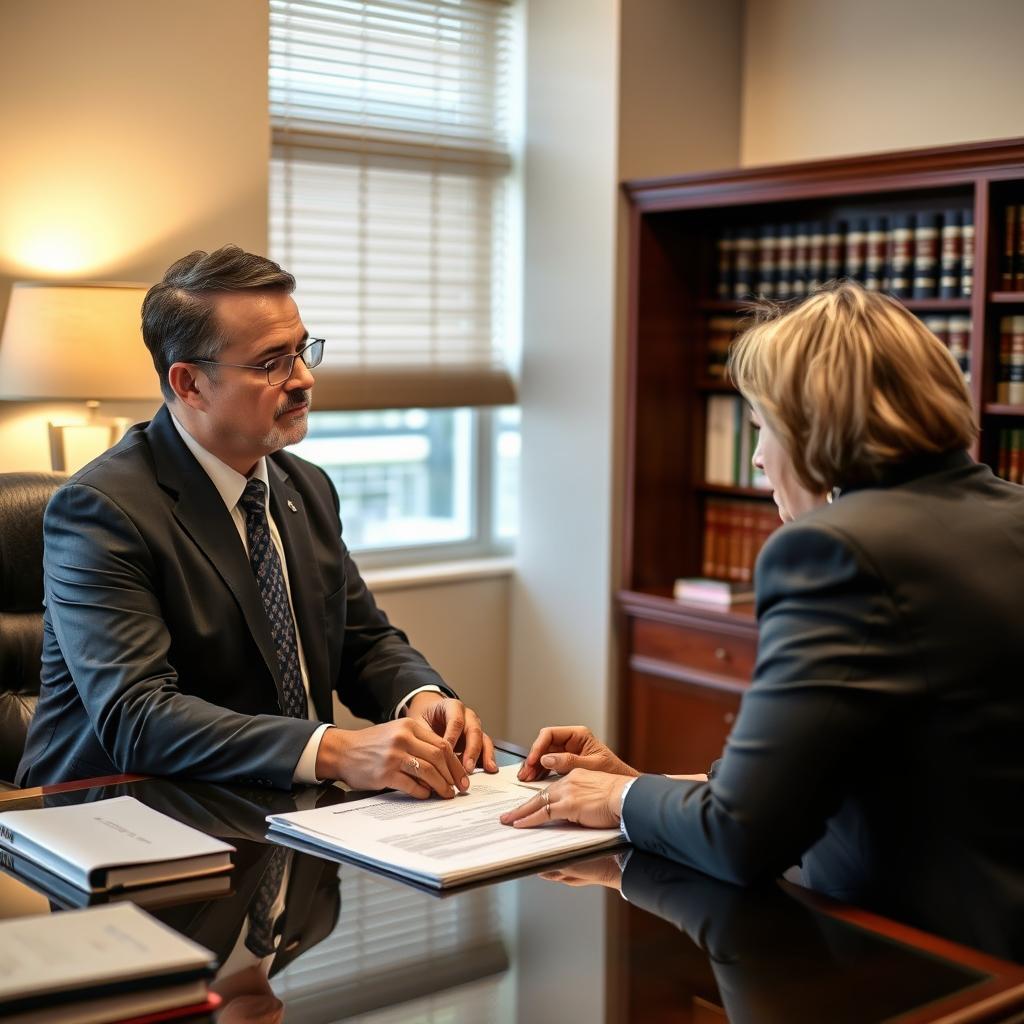
Habitual Offender Lawyer Frederick County, VA
Facing a habitual‑offender adjudication in Frederick County? Virginia law allows the Department of Motor Vehicles to seek a court declaration that a person is a habitual offender after multiple serious traffic or criminal convictions. Such a declaration triggers a lengthy license revocation that can upend your employment, family responsibilities, and daily life. The proceedings are heard at the Frederick/Winchester General District Court, 5 North Kent Street, Winchester, VA 22601. At Law Offices Of SRIS, P.C., Mr. Sris and his Of Counsel team represent clients in habitual‑offender matters, working to protect driving privileges and challenge the grounds for adjudication. Reach our firm at (888) 437-7747 to schedule a consultation. Law Offices Of SRIS, P.C. – Advocacy Without Borders.
What Habitual Offender Status Means in Frederick County
Under Va. Code § 46.2‑351, a person may be declared a habitual offender by a Virginia circuit court after accumulating certain serious convictions within a statutory lookback period. While the petition is often brought by the Department of Motor Vehicles, the proceeding is a civil adjudication conducted in the General District Court, with the possibility of an appeal de novo to the Frederick County Circuit Court. If the court finds the statutory criteria are satisfied, it enters an order revoking the respondent’s privilege to drive for a period set by law. Driving after being declared a habitual offender is a separate criminal offense that can carry heavy penalties.
In Frederick County, habitual‑offender cases are handled against the backdrop of the Twenty‑sixth Judicial District, with hearings held at the Frederick/Winchester General District Court. Mr. Sris and his Of Counsel are familiar with courtroom procedures, the typical posture of the Commonwealth’s Attorney, and the documentary evidence the DMV typically presents. Local knowledge matters because the defense may turn on whether the underlying predicate convictions are validly established, whether procedural notice requirements were satisfied, and whether the court can fashion a disposition that preserves some form of driving privilege, such as a restricted license. Our firm’s Shenandoah location serves clients from Winchester, Stephens City, Middletown, Clear Brook, Gore, and throughout the I‑81 corridor, and we appear regularly in Frederick County courts.
How Mr. Sris and His Of Counsel Handle Habitual Offender Cases
When a client receives notice that the Department of Motor Vehicles has filed a habitual‑offender petition, immediate action is critical. Mr. Sris and his Of Counsel first obtain the complete DMV transcript and court records that underlie the petition. They scrutinize whether each predicate conviction meets the statutory definition, whether any conviction has been set aside, and whether the proceeding complies with notice and timing requirements. In some instances, a predicate conviction can be challenged collaterally, for example by moving to reopen a prior case if constitutional rights were not adequately addressed.
If the petition cannot be defeated on legal grounds, the focus shifts to mitigation and negotiation. Mr. Sris, a former prosecutor who now defends clients in all five jurisdictions where he is admitted, brings a mature understanding of how the Commonwealth approaches these petitions. His Of Counsel team includes former law‑enforcement professionals who can evaluate the procedural integrity of the underlying traffic stops and convictions. The goal is always to protect the client’s ability to drive—whether by defeating the petition outright, securing a dismissal after the client completes driver‑improvement requirements, or obtaining a restricted license that permits travel to work, medical appointments, and other essential activities.
About Mr. Sris and His Of Counsel Team
Mr. Sris, Owner and Founder of Law Offices Of SRIS, P.C., has practiced since 1997 and is admitted in Virginia, Maryland, the District of Columbia, New Jersey, and New York. He has testified before the Virginia House Courts of Justice Committee in support of 2019 HB 635 (chief patron Del. David Bulova). His Of Counsel team brings extensive combined legal experience, including prior service as a prosecutor and as a Virginia State Trooper, giving our firm a comprehensive view of the traffic‑enforcement and court systems. Mr. Sris and his Of Counsel approach every habitual‑offender case with thorough preparation, aiming to preserve their client’s driving privileges and autonomy.
Frequently Asked Questions
How does a Virginia lawyer defend against habitual offender charges?
A Virginia traffic attorney can defend against a habitual‑offender petition by challenging the validity of the predicate convictions, asserting procedural defects, and presenting evidence of rehabilitation. The defense may examine whether the prior convictions actually qualify under the statute, whether the DMV provided proper notice, or whether any conviction has been appealed or vacated. In Frederick County, an experienced attorney can also negotiate with the Commonwealth’s Attorney for a disposition that avoids an unrestricted license revocation, such as a restricted license or dismissal after compliance with driver‑improvement programs. Each case turns on its own facts; Mr. Sris and his Of Counsel evaluate the full record before recommending a strategy.
What should I do if I am facing habitual offender charges in Virginia?
Contact a traffic attorney immediately, preserve all DMV and court documents, and do not discuss the case with anyone except your lawyer. The DMV’s petition triggers a court date, usually in the General District Court, and failing to appear can result in a default order revoking your license. Gathering certified copies of your driving record, the DMV’s notice, and any prior court orders is essential. In Frederick County, the Frederick/Winchester General District Court handles these petitions; Mr. Sris and his Of Counsel can appear with you, explain the process, and begin building a defense before the hearing.
Can a habitual offender determination be appealed in Virginia?
Yes, a habitual‑offender order entered by the General District Court may be appealed de novo to the Frederick County Circuit Court within ten days of the order. A de novo appeal means the Circuit Court re‑hears the entire matter, providing a fresh opportunity to present evidence and legal arguments. The appeal bond is set by the court. Mr. Sris and his Of Counsel regularly handle appeals from all levels of Virginia courts and can guide clients through the procedural requirements to protect the right to appeal.
How does a habitual offender adjudication affect my driver’s license?
A habitual‑offender adjudication results in a mandatory revocation of the respondent’s privilege to drive in Virginia for a period set by statute. Driving after being declared a habitual offender is a separate criminal offense. However, in some cases, the court may grant a restricted license permitting travel to and from work, school, or medical appointments. Establishing eligibility for a restricted license requires a thorough presentation of need. Mr. Sris and his Of Counsel can advise whether a restricted‑license petition is viable in a given case.
Do I need a lawyer for a habitual offender petition in Frederick County?
You are not required to have a lawyer, but the proceedings are adversarial and the potential consequences—including long‑term license revocation and possible criminal charges—make legal representation advisable. The DMV is represented by the Commonwealth’s Attorney, and the rules of evidence apply. An experienced attorney can challenge the DMV’s proof, raise procedural defenses, and negotiate for a more favorable outcome. In Frederick County, Mr. Sris and his Of Counsel have handled numerous traffic‑related matters and obtained favorable results for clients facing license revocation. Results may vary.
Related localities: Clarke County Traffic Lawyer · Shenandoah County Traffic Lawyer · Warren County Traffic Lawyer
Authoritative sources: Virginia Code Title 46.2 (Motor Vehicles) · Virginia Courts
Attorney advertising. Prior results do not guarantee a similar outcome. Results may vary.
Case results depend on a variety of factors unique to each case.